ISO Warning Signs
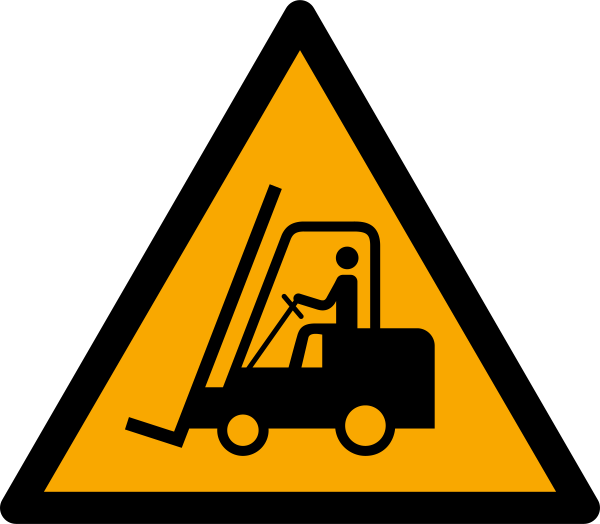
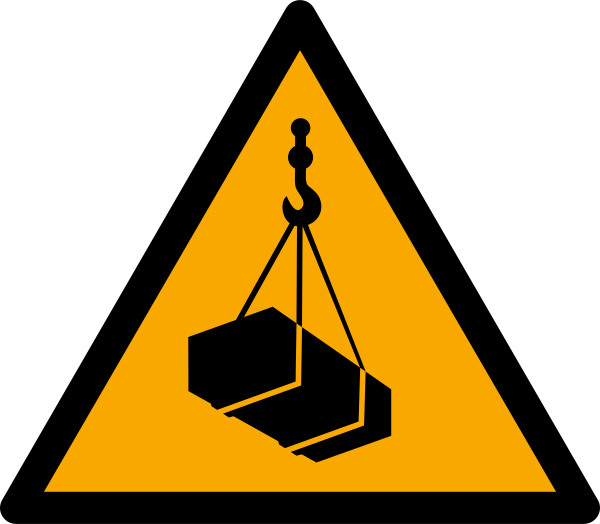
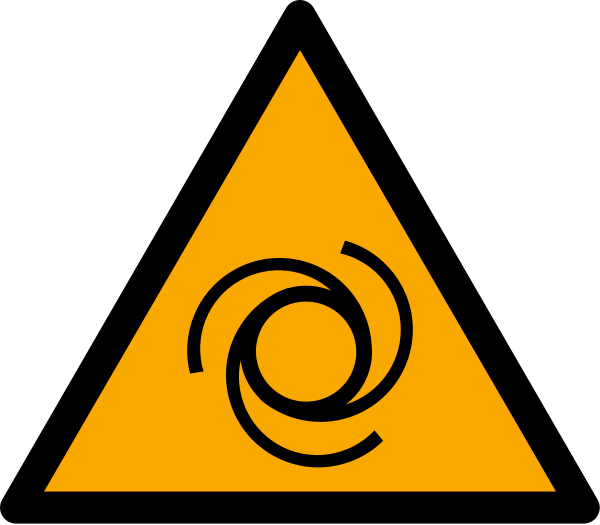
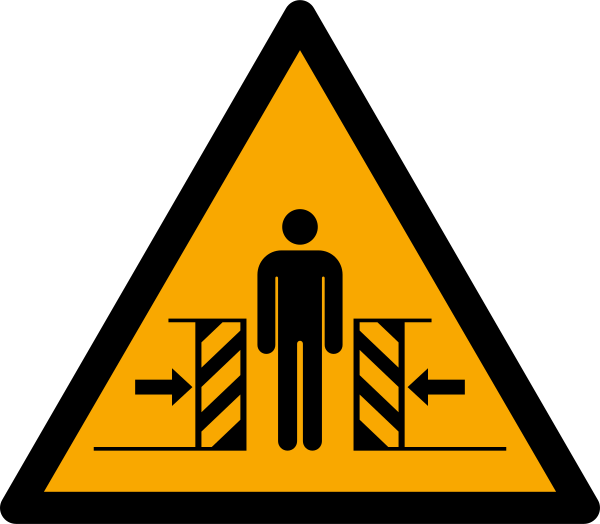
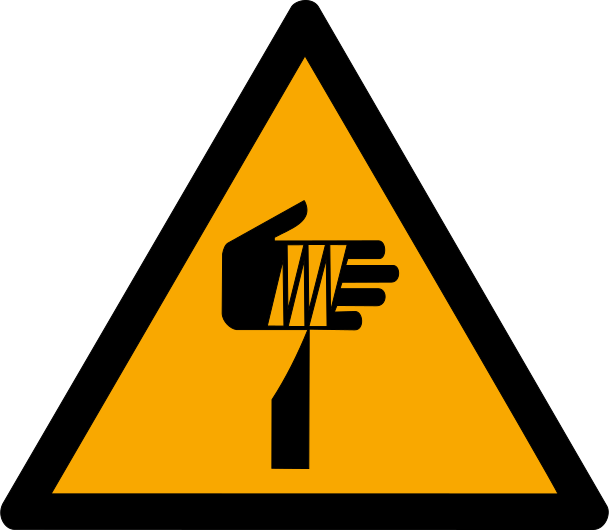
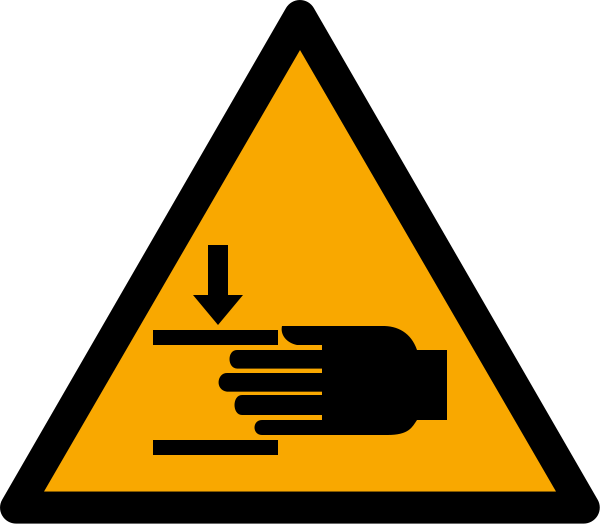
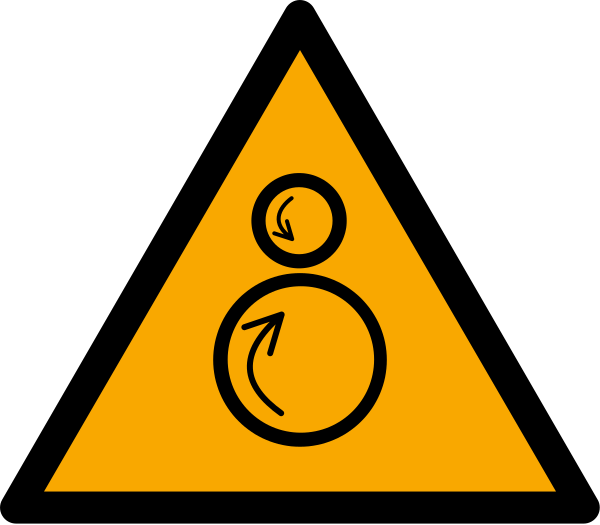
Yellow triangular signs draw attention to a hazard, such as electricity, moving machinery, or a hot surface.
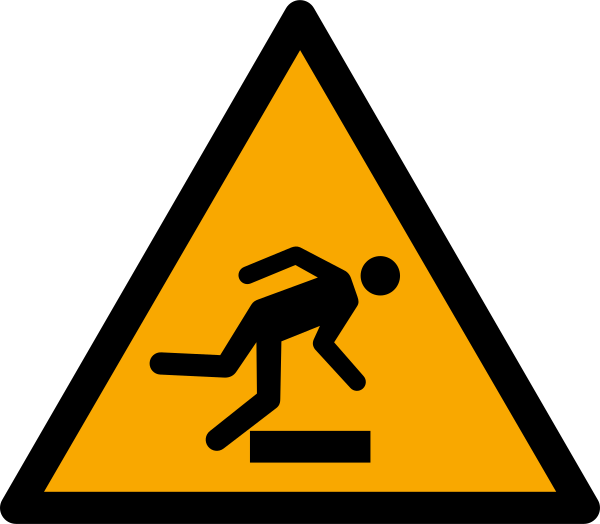
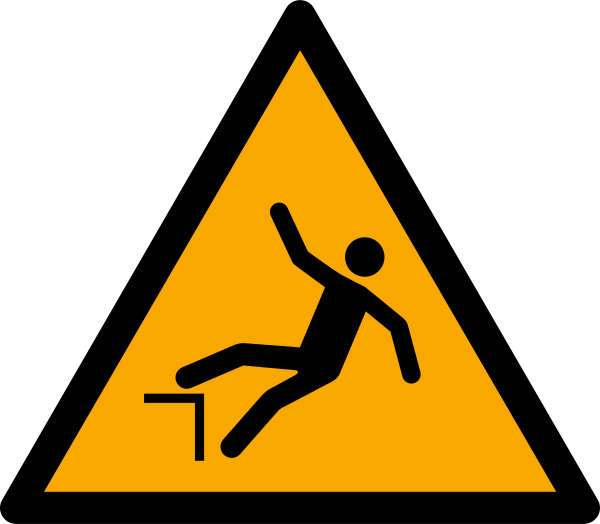
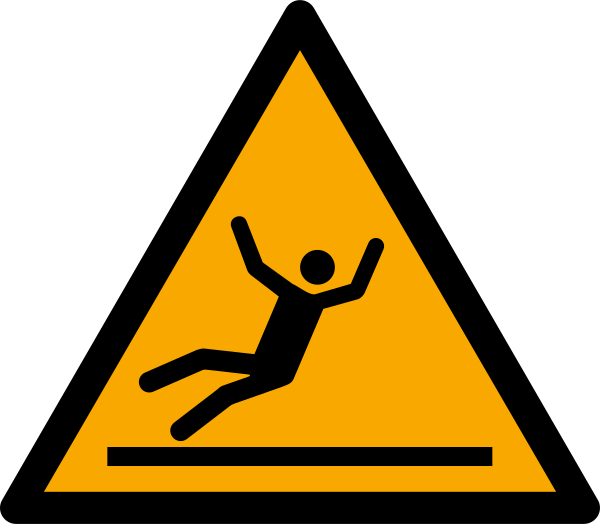
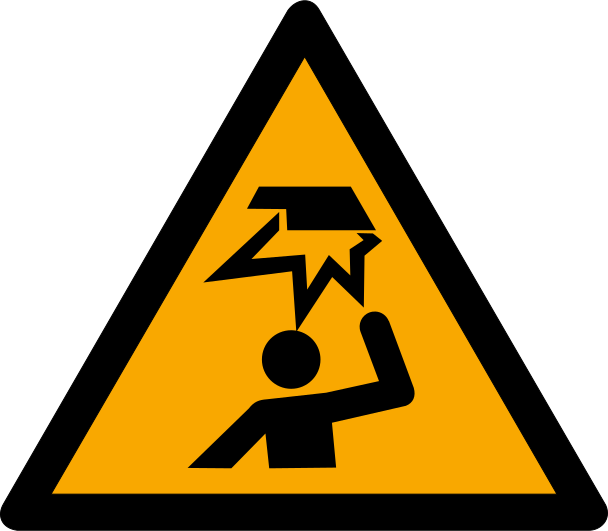
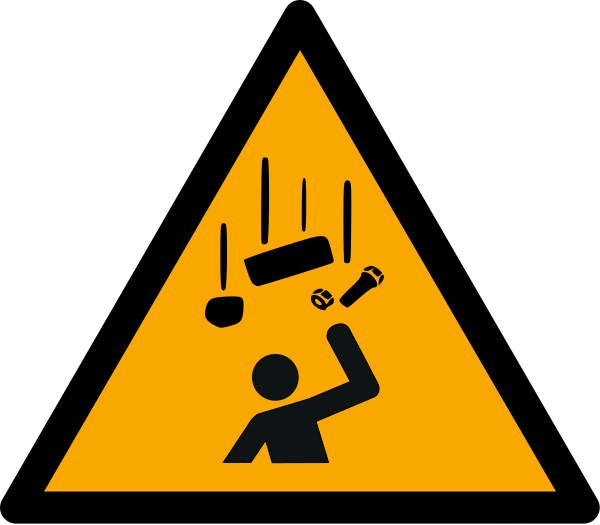
ISO warning signs tell people that a specific hazard is present: electricity, a hot surface, an overhead load, a flood zone. Every sign in this family uses the same visual grammar, so a reader can recognise "danger here" from a distance before they can make out the pictogram itself.
A warning sign names the hazard but not the control. It does not say how severe the hazard is, how far away to stay, or what protection to wear. That is why warning signs are usually paired with a mandatory sign (for example W012 with M021, or W017 with M009) or with supplementary text.
A warning pictogram does not state the severity, safe distance, or protective measures. Read the accompanying instructions.
No symbols match. Try another word or clear the search.
General and other warnings
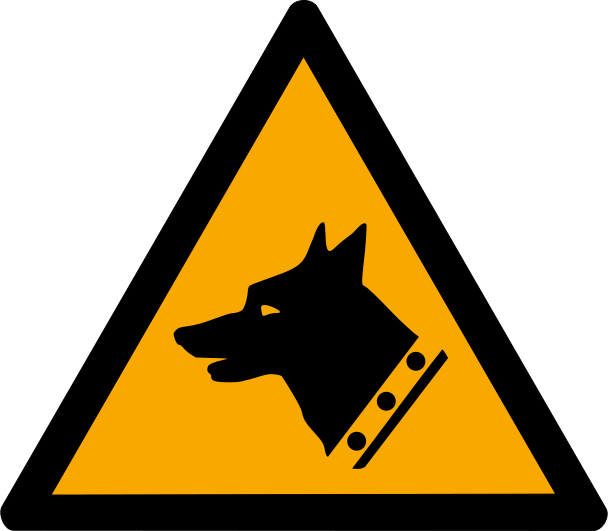
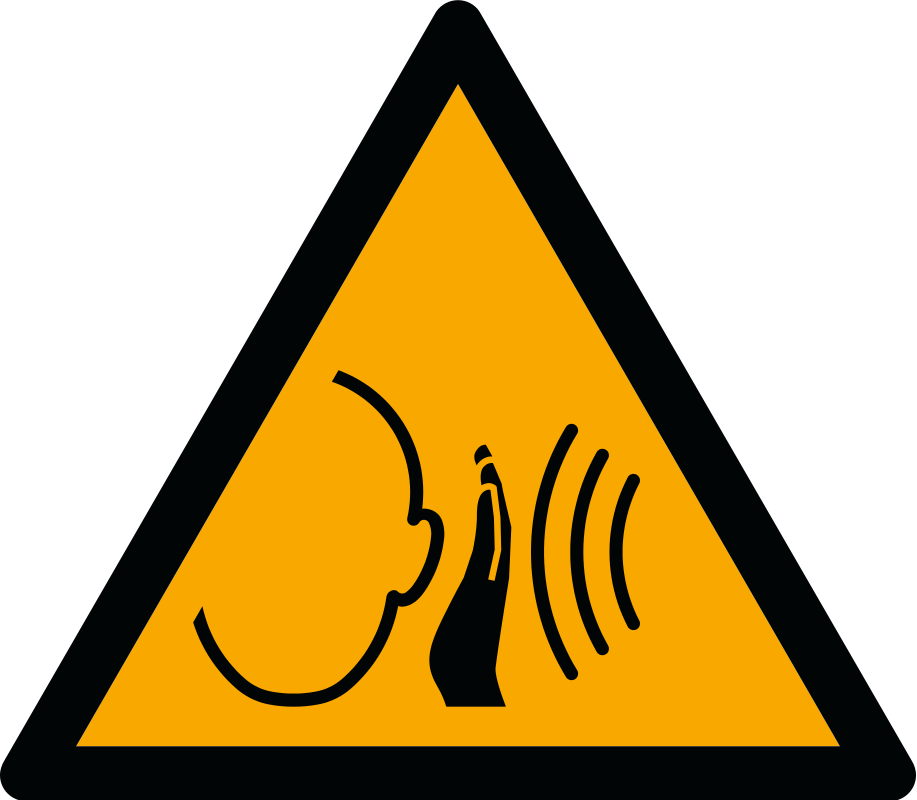
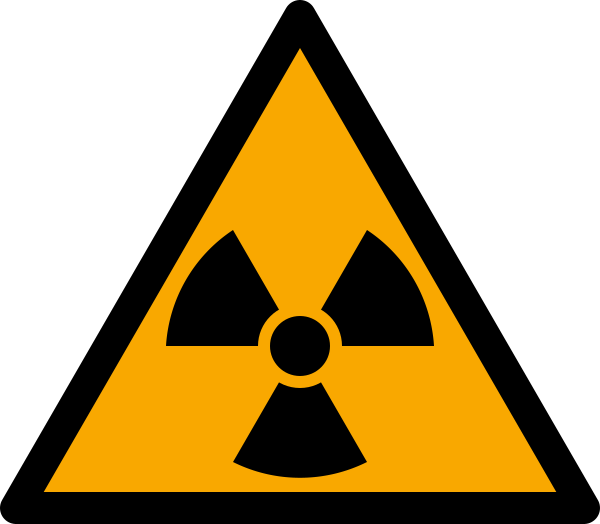
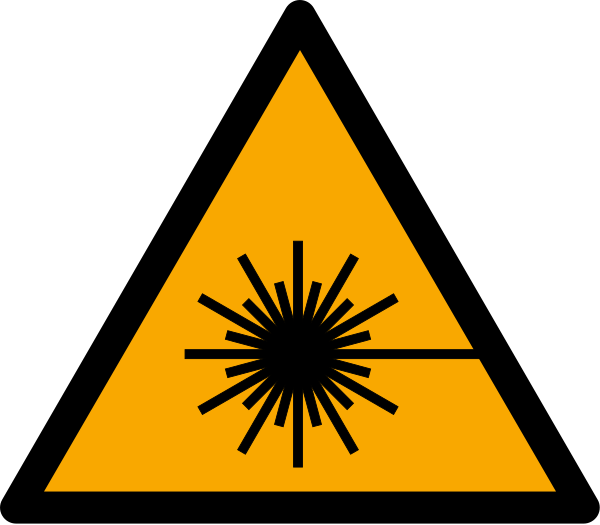
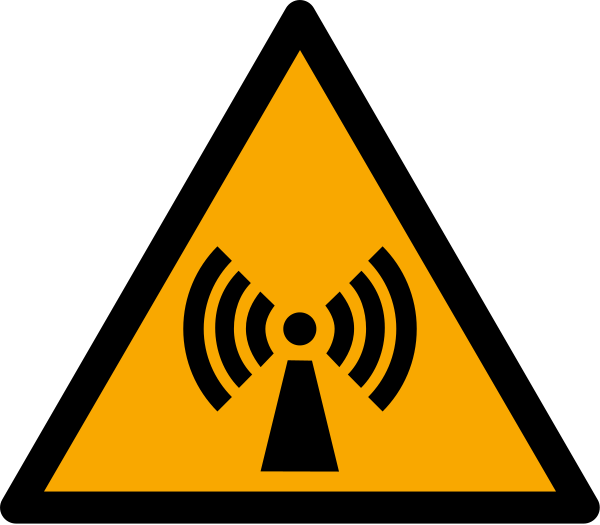
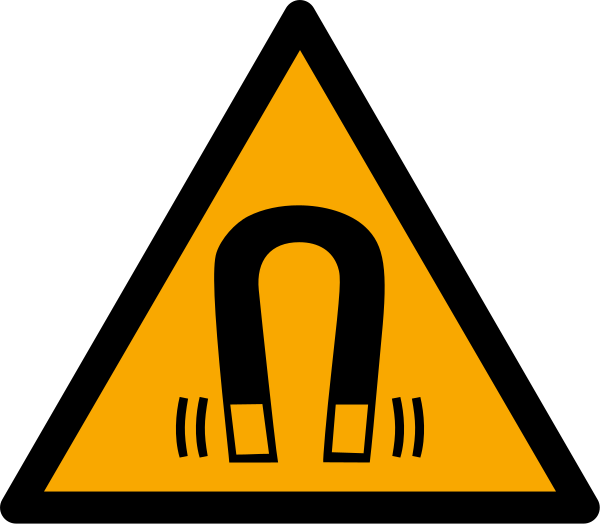
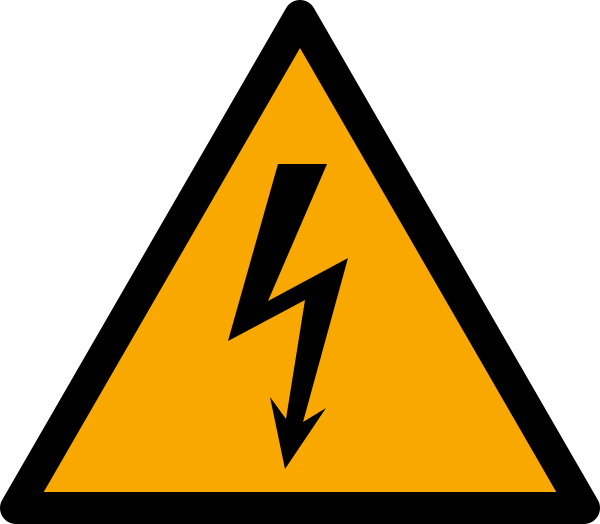
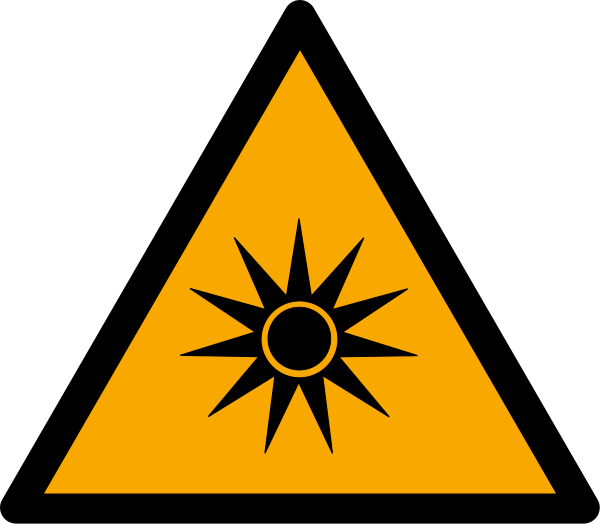
Electricity, radiation and fields
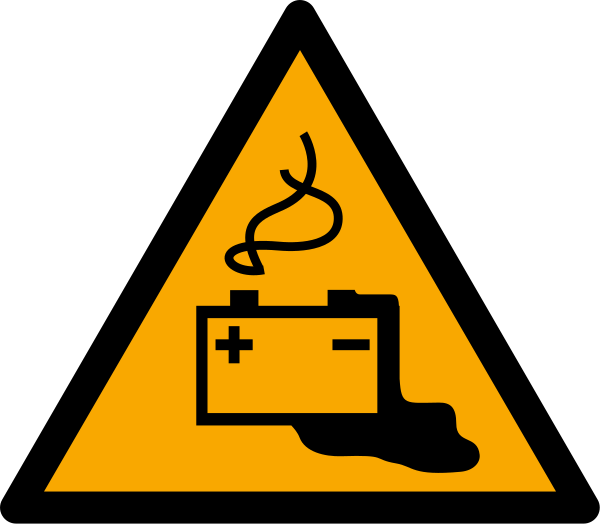
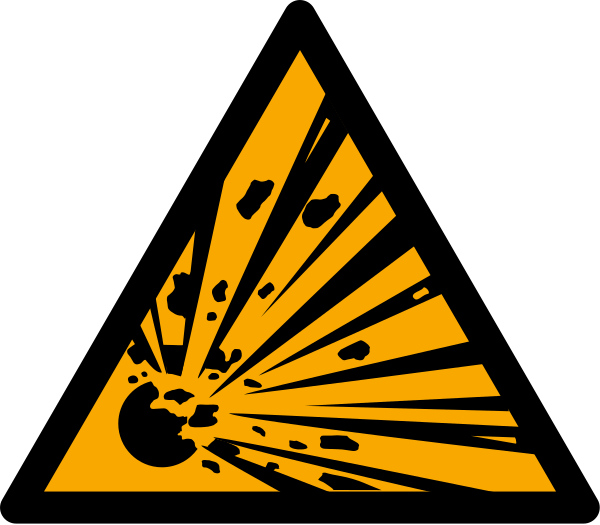
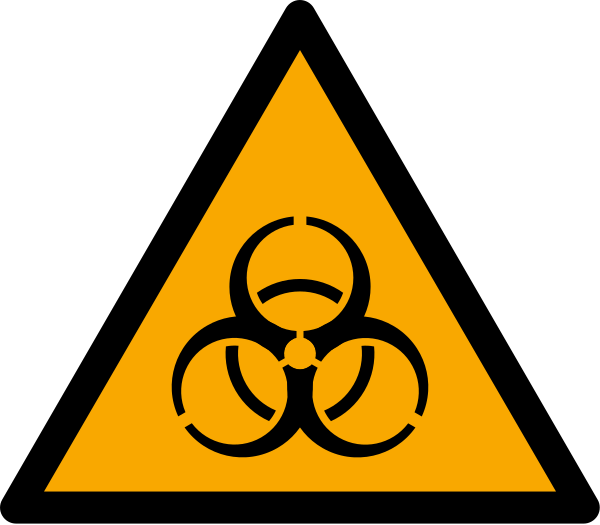
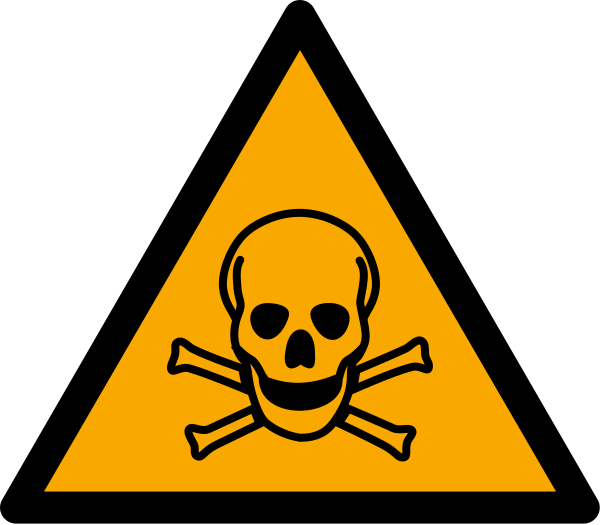
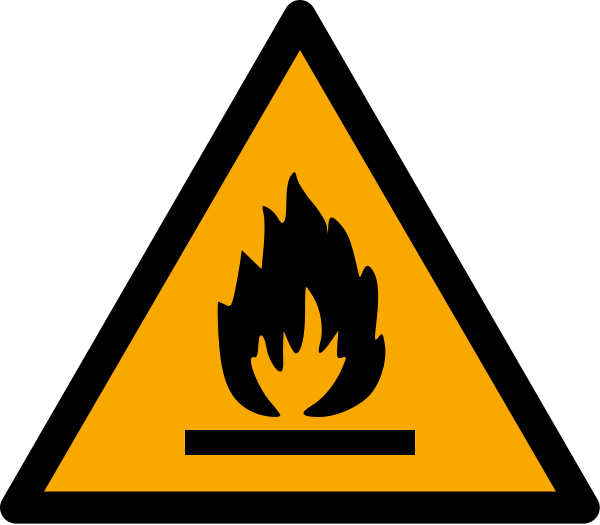
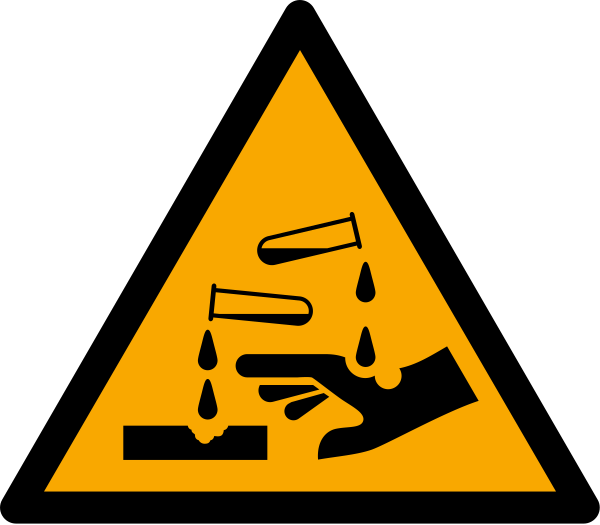
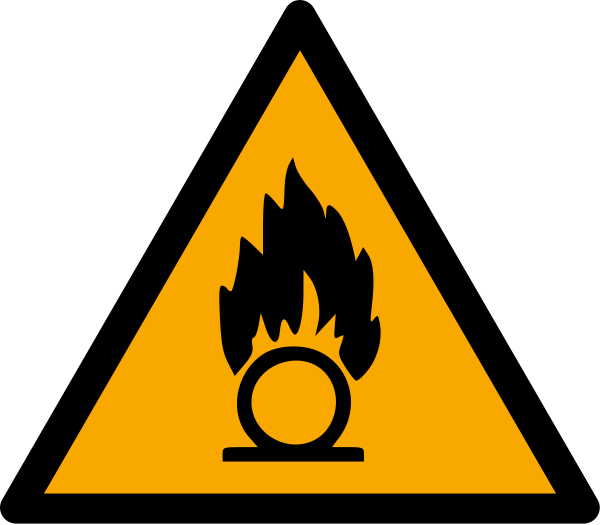
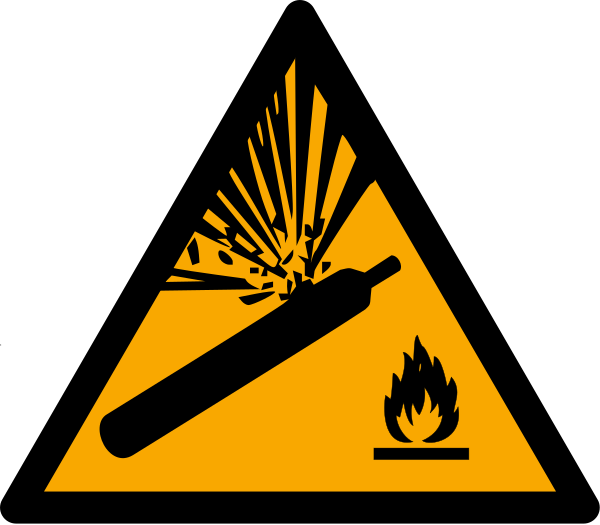
Chemical, biological and pressure
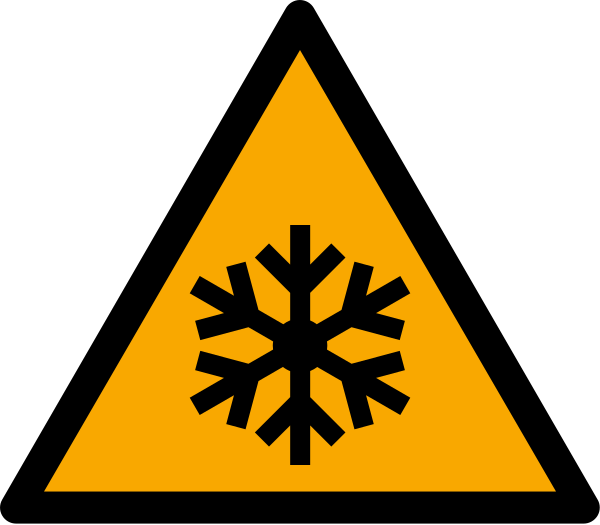
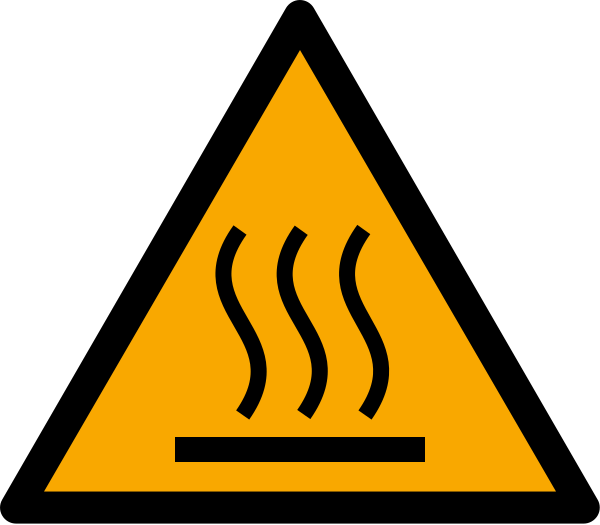
Heat and cold
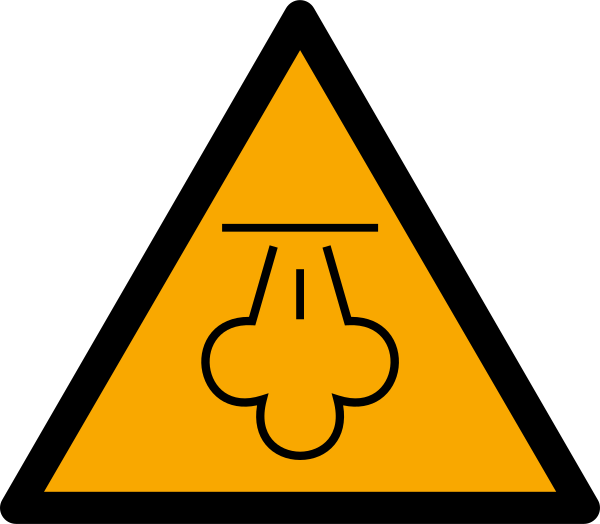
Machinery and vehicles
Slips, trips, falls and obstacles
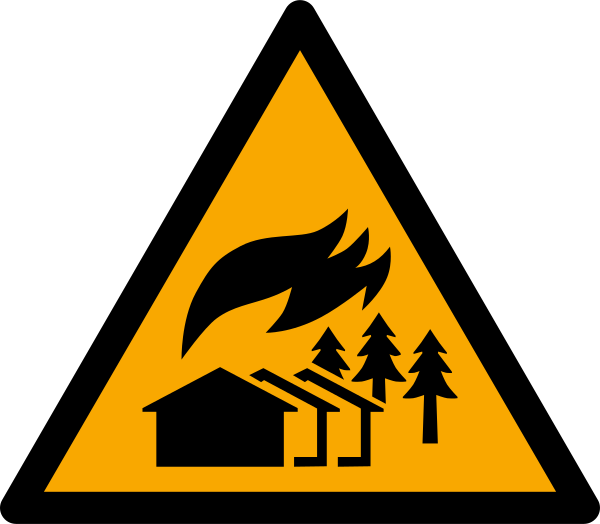
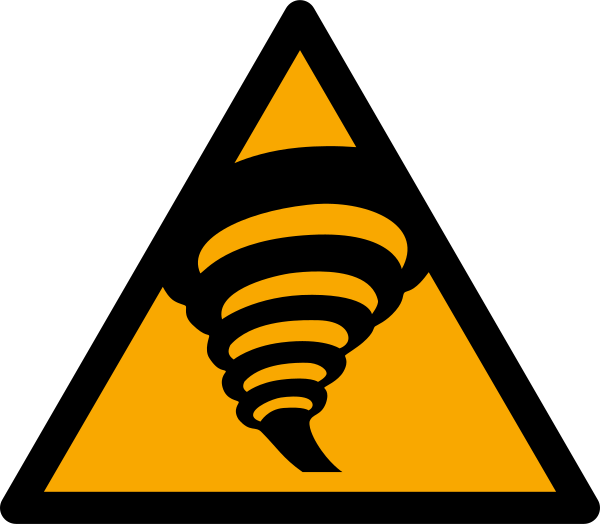
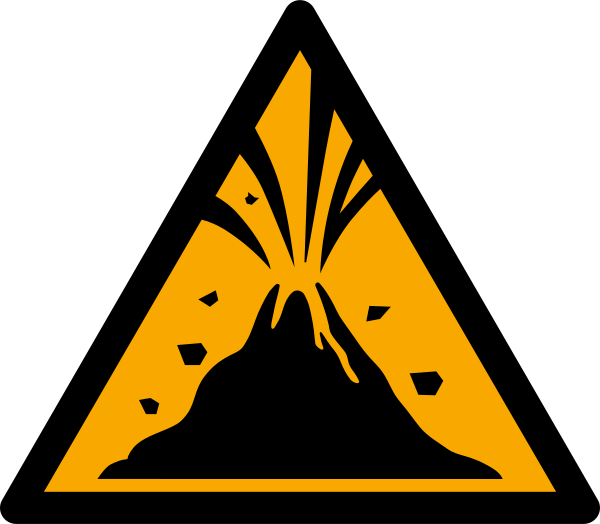
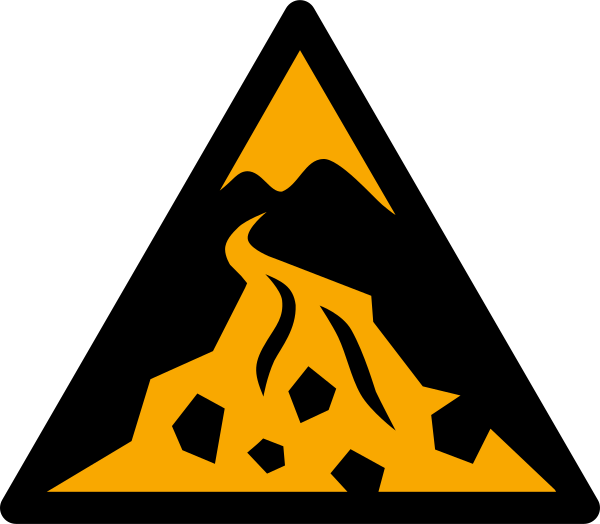
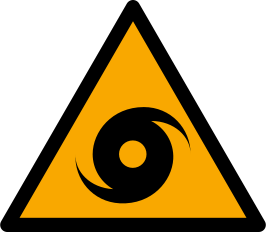
Natural hazard zones
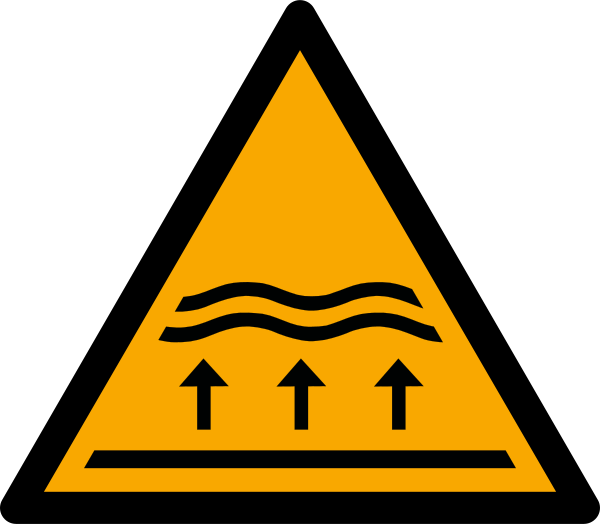
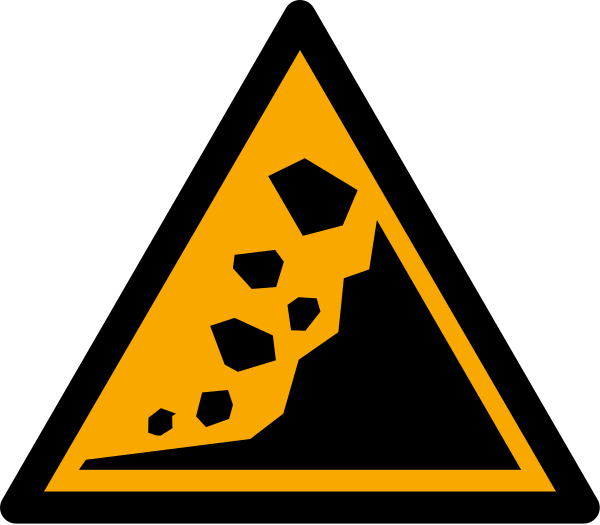
Where warning signs come from
ISO 7010 registers the pictograms; ISO 3864-1 sets the colors, shapes, and layout rules they are drawn to. In the EU, Directive 92/58/EEC sets minimum requirements for safety signs at work, and its annex requires the yellow to cover at least half of a warning sign's area. The UK implements the same requirements through the Health and Safety (Safety Signs and Signals) Regulations 1996, and both markets publish ISO 7010 as EN ISO 7010.
In the United States, OSHA 29 CFR 1910.145 and the ANSI Z535 series govern accident-prevention signs. ISO pictograms are widely used inside ANSI Z535 layouts, but the ANSI format adds signal words and text panels that an ISO sign does not carry. Australia uses AS 1319. Always check the rules for the site where the sign will be installed.
Frequently asked questions
What does a yellow triangle sign mean?
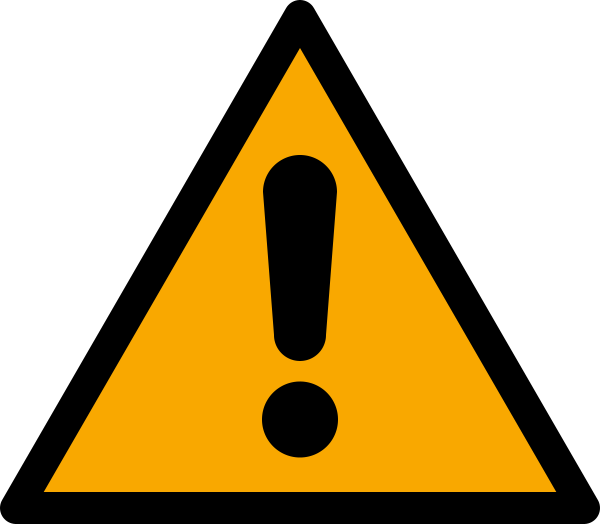
A yellow triangle with a black border is an ISO 7010 warning sign. It means a hazard is present, and the pictogram inside tells you which hazard: for example a lightning bolt for electricity (W012) or wavy lines for a hot surface (W017). The general exclamation mark (W001) is used when no specific pictogram exists and should come with explanatory text.
What is the difference between a warning sign and a prohibition sign?
A warning sign (yellow triangle) tells you a hazard exists. A prohibition sign (red circle with a diagonal bar) tells you not to do something. They often appear together: a warning about the hazard and a prohibition on the behaviour that would expose someone to it.
Do ISO warning signs replace DANGER, WARNING and CAUTION signs in the US?
Not directly. ANSI Z535 signs use signal words to grade severity, and an ISO triangle does not. Many US signs combine an ISO-style pictogram with an ANSI signal-word panel. Check OSHA 1910.145 and the ANSI Z535 edition your site follows.
Why do warning signs not show the level of risk?
The ISO warning format only identifies the type of hazard. Severity, safe distances, and required precautions come from the risk assessment and are communicated with supplementary text, mandatory signs, or equipment labels such as arc-flash labels.