GHS Chemical Pictograms
GHS pictograms use a black symbol on white within a red diamond border to communicate chemical hazard classes.
GHS pictograms are the nine hazard symbols of the Globally Harmonized System of Classification and Labelling of Chemicals. They appear on chemical containers and safety data sheets, not on walls, and each one stands for one or more classified hazards.
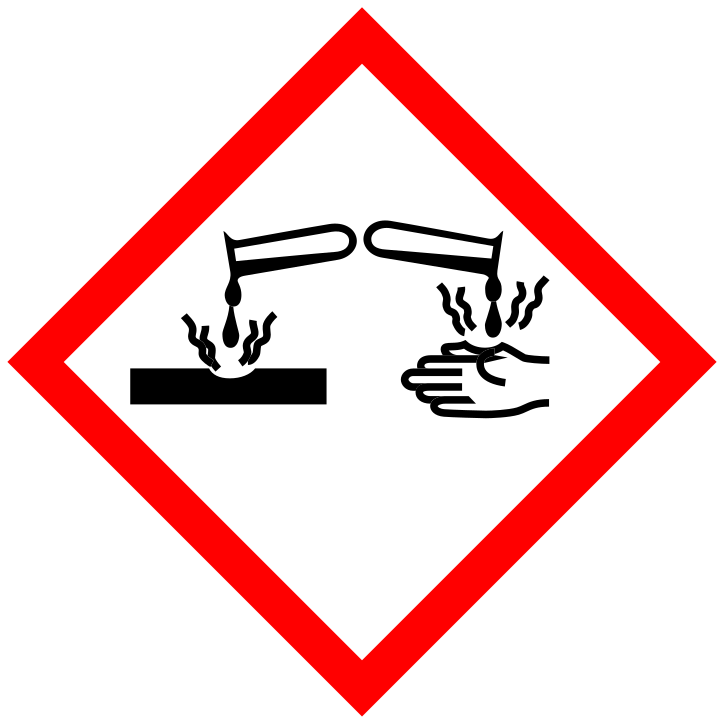
A pictogram is only one of the label elements. The full GHS label also carries a signal word ("Danger" or "Warning"), hazard statements, precautionary statements, the product identifier, and supplier details. Read the hazard statements to know why a pictogram is there: the corrosion symbol, for example, can mean damage to skin, to eyes, or to metals.
Read the whole label and safety data sheet. A pictogram can cover several hazards and does not specify controls by itself.
No symbols match. Try another word or clear the search.
Physical hazards
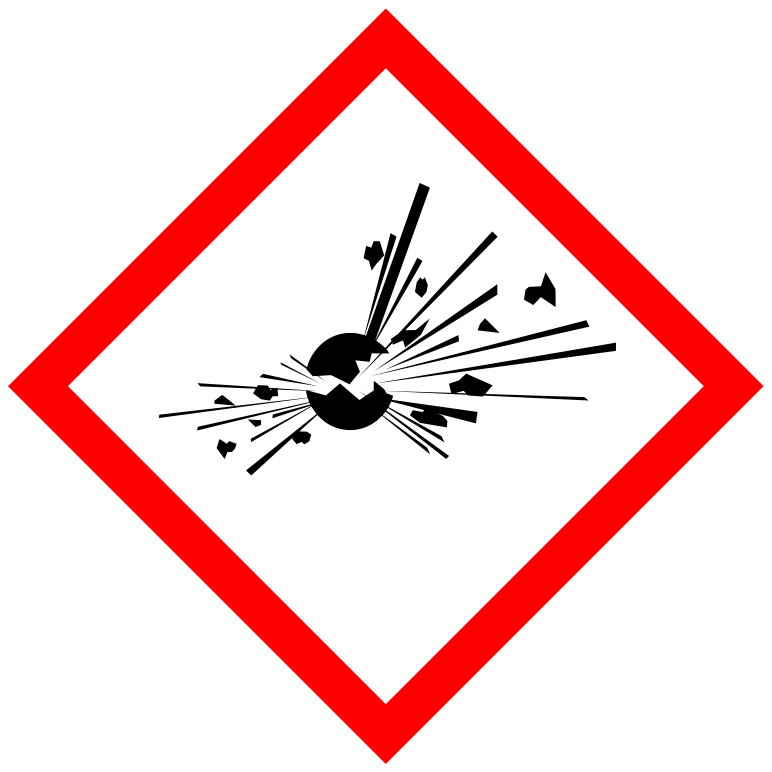
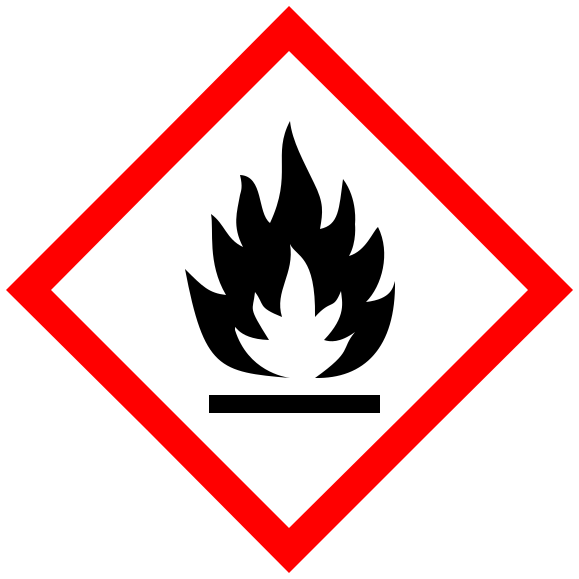
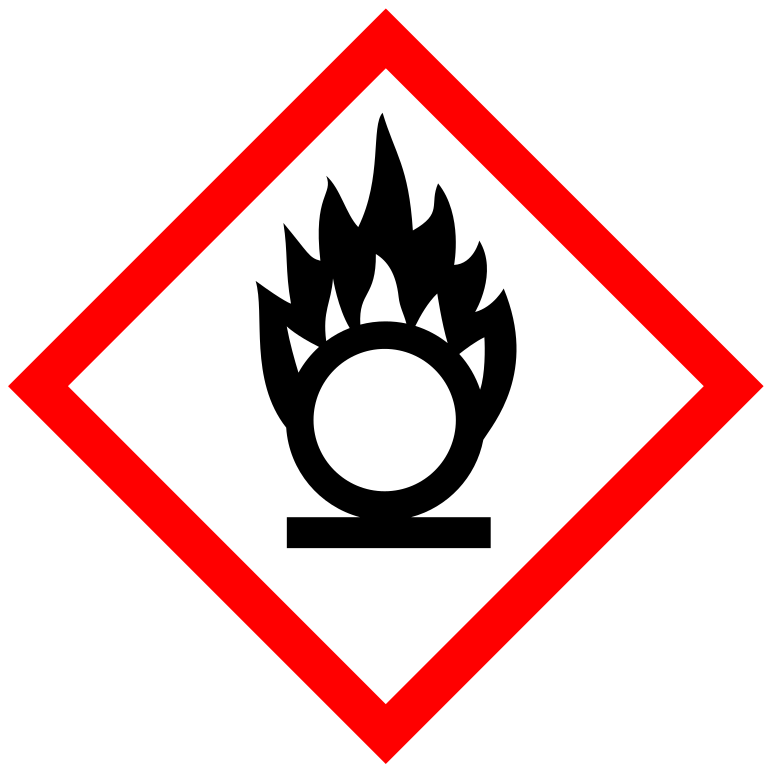
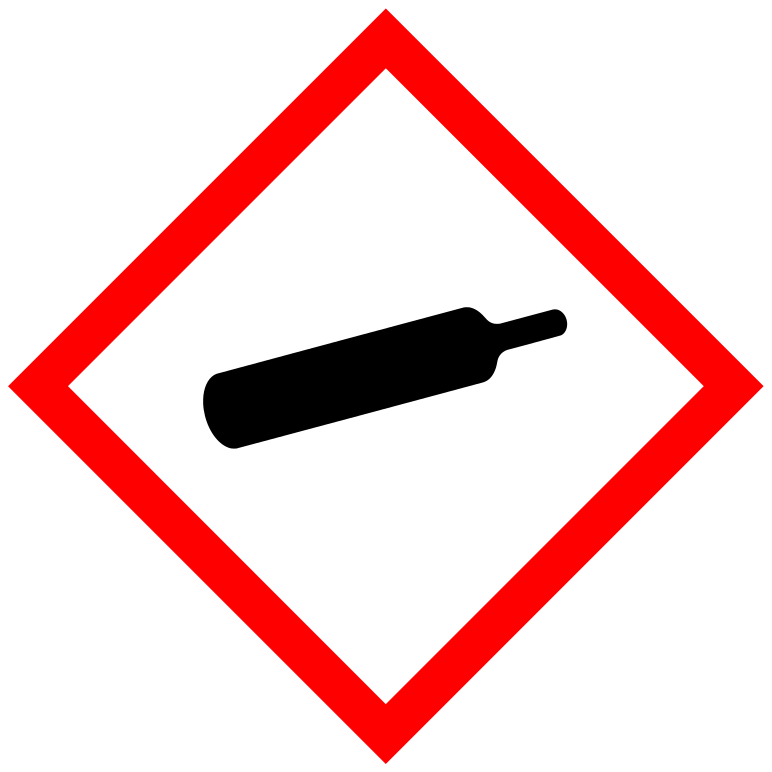
Health hazards
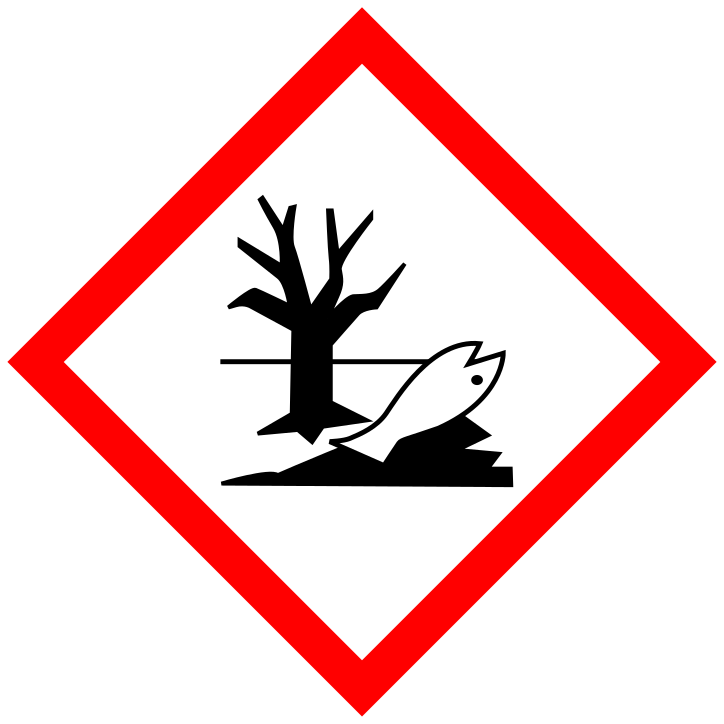
Environmental hazards
How GHS pictograms are regulated
The GHS is a United Nations framework, revised regularly, that countries adopt into their own law. In the US, OSHA's Hazard Communication Standard (29 CFR 1910.1200) requires eight of the nine pictograms; the environment pictogram is not mandatory under OSHA. In the EU and Great Britain, the CLP Regulation applies and includes the environment pictogram.
Transport is a separate system. Packages and vehicles carry UN transport labels and placards under dangerous-goods rules, which look similar but have their own colors, numbers, and requirements. Workplace containers, labels, and safety data sheets follow the hazard communication rules.
Frequently asked questions
How many GHS pictograms are there?
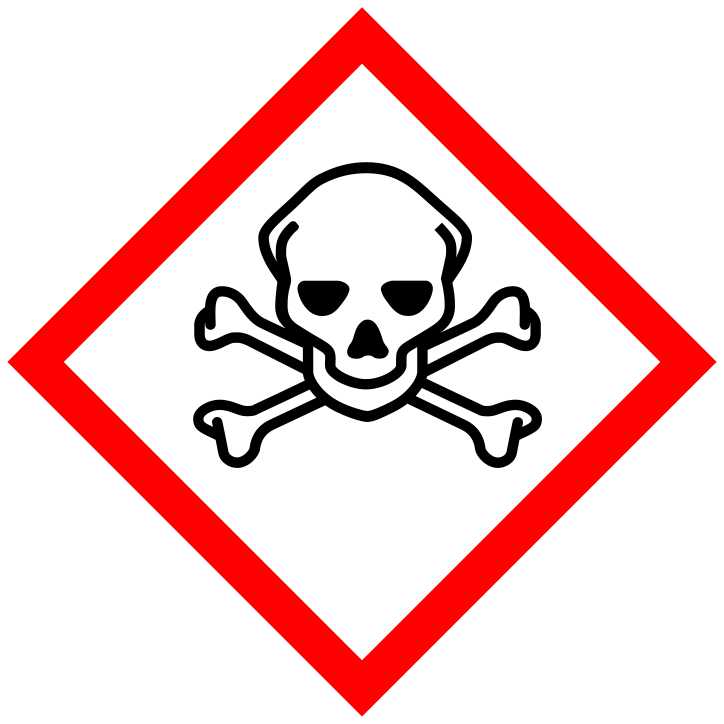
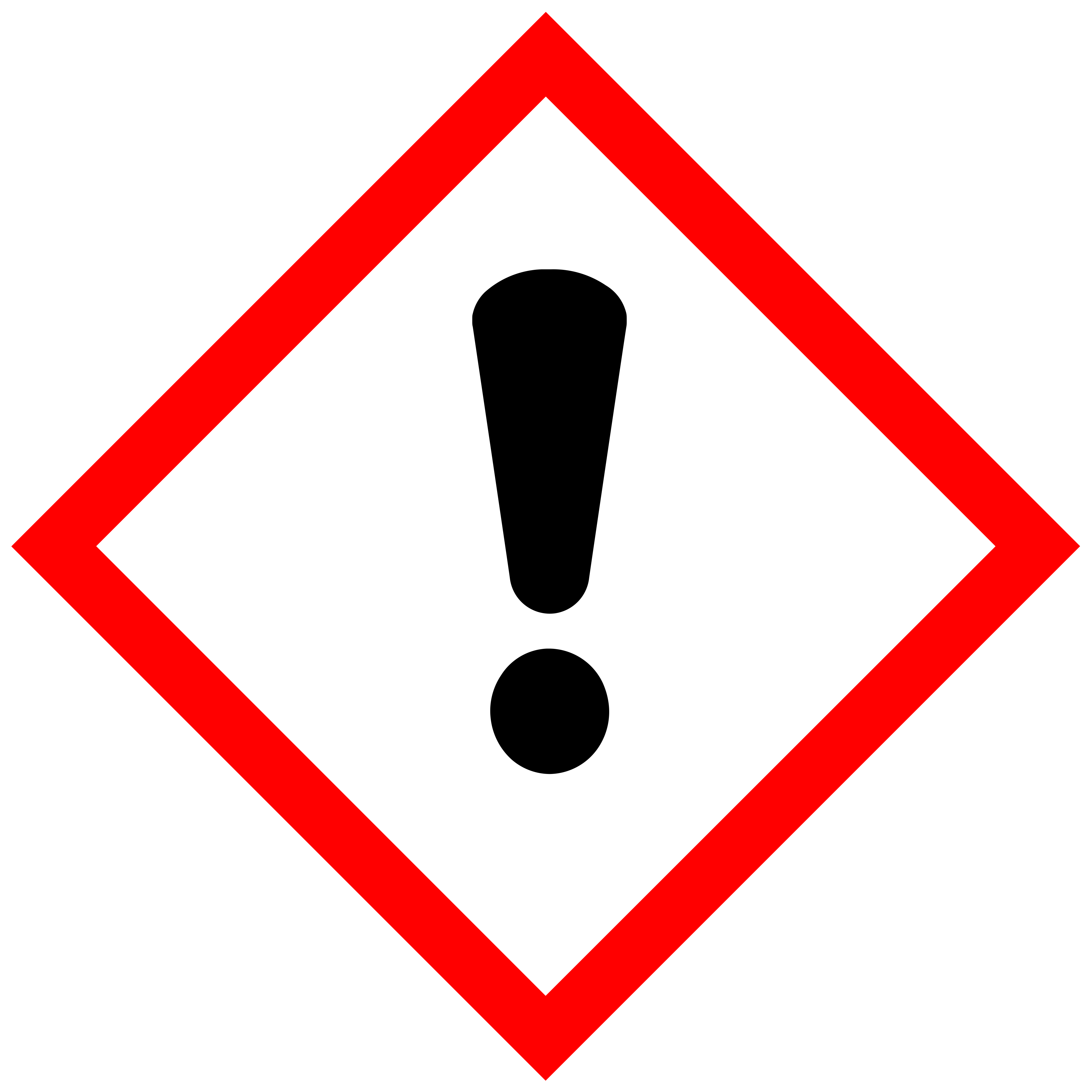
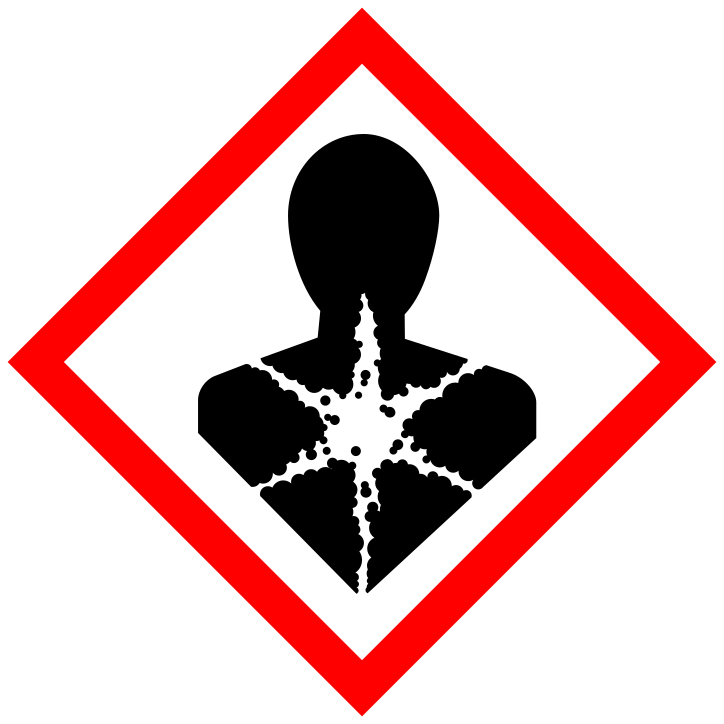
Nine: exploding bomb (GHS01), flame (GHS02), flame over circle (GHS03), gas cylinder (GHS04), corrosion (GHS05), skull and crossbones (GHS06), exclamation mark (GHS07), health hazard (GHS08), and environment (GHS09). OSHA requires eight; the environment pictogram is optional in the US.
Why does a label show some pictograms but not others?
Precedence rules remove duplicates. For example, if the skull and crossbones applies, the exclamation mark is not also used for acute toxicity, and if the corrosion pictogram applies, the exclamation mark is not used for skin or eye irritation.
What is the difference between the flame and the flame over circle?
The flame (GHS02) means the material itself can burn or ignite. The flame over circle (GHS03) means it is an oxidiser that can cause or intensify the burning of other materials. They call for different storage and segregation.
Is a GHS diamond the same as an NFPA 704 diamond?
No. GHS pictograms classify hazards on product labels. The NFPA 704 diamond rates health, flammability, and instability from 0 to 4 for emergency responders. GHS category numbers run the other way (1 is most severe) and must not be copied into an NFPA diamond.