GHS Labels: Read the Complete Message
A GHS pictogram is one part of a chemical label. The complete message includes the product identity, hazard and precautionary statements, signal word where assigned, and supplier information.
Nine pictograms, many possible hazards
One pictogram can represent several classifications. Use the label's words and the product's safety data sheet to establish which hazards actually apply.
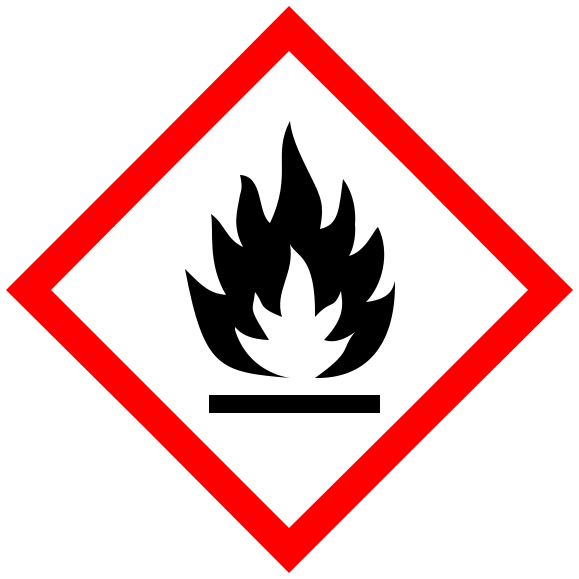 GHS02Flammable
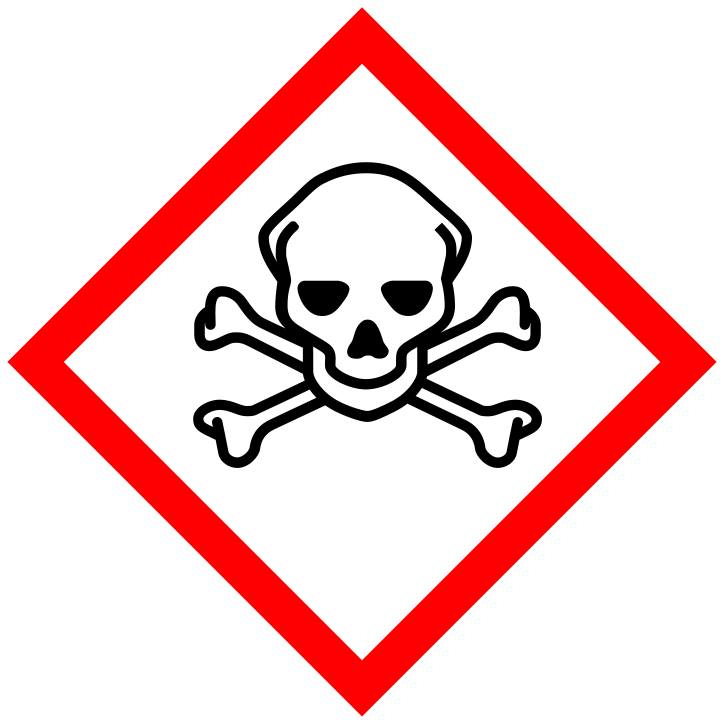 GHS06Toxic
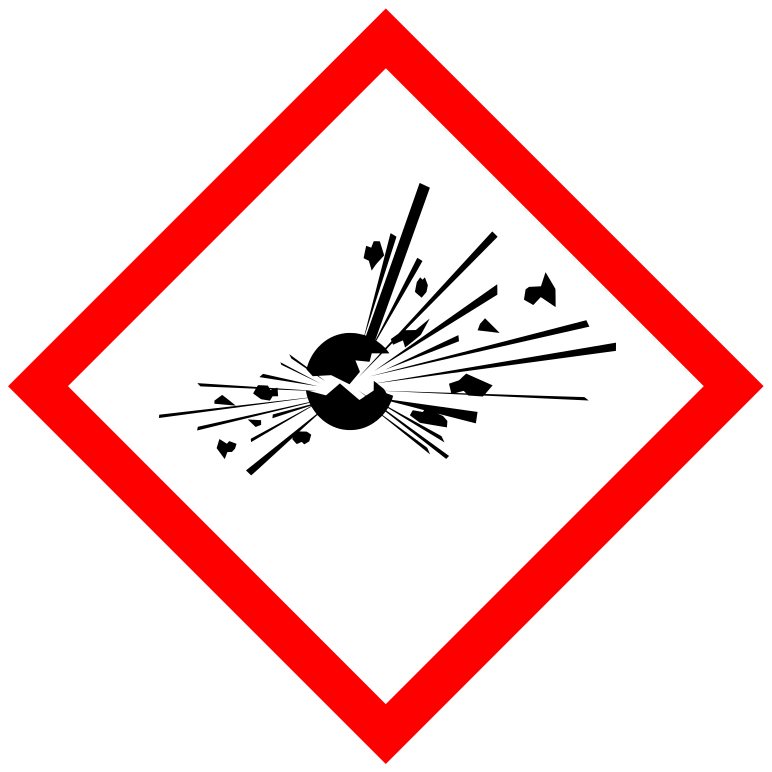 GHS01Exploding Bomb
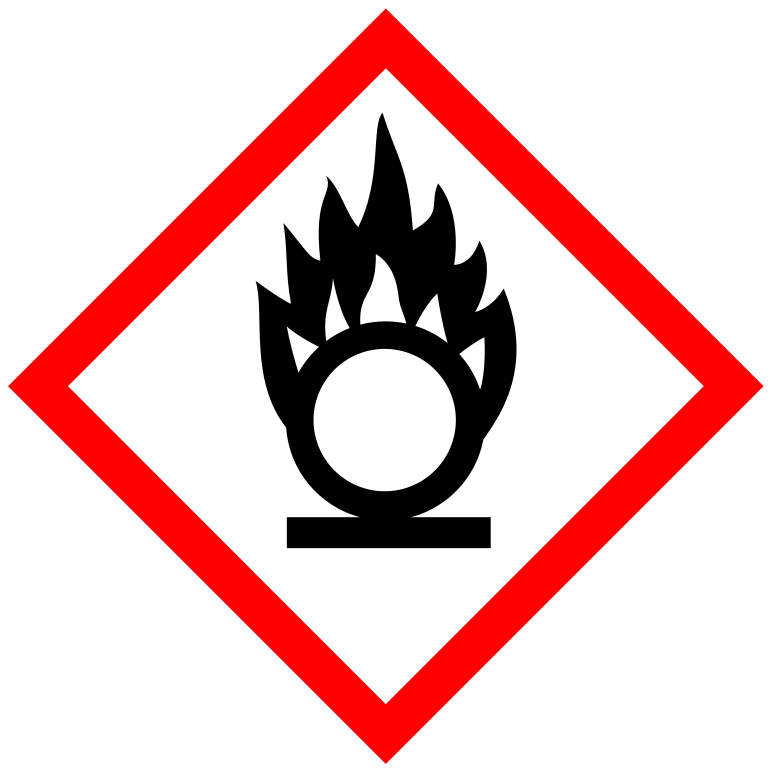 GHS03Oxidizer
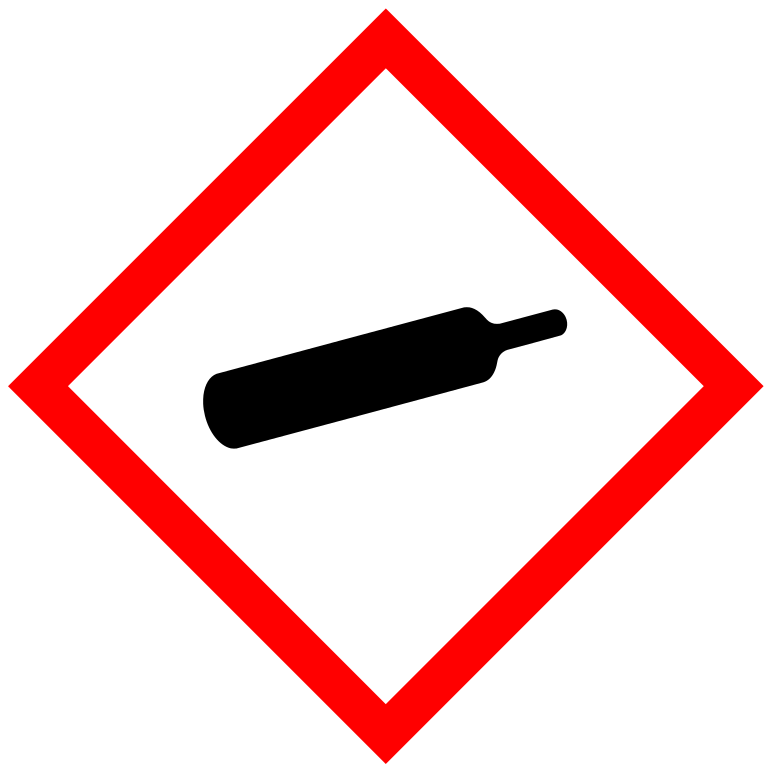 GHS04Gas Cylinder
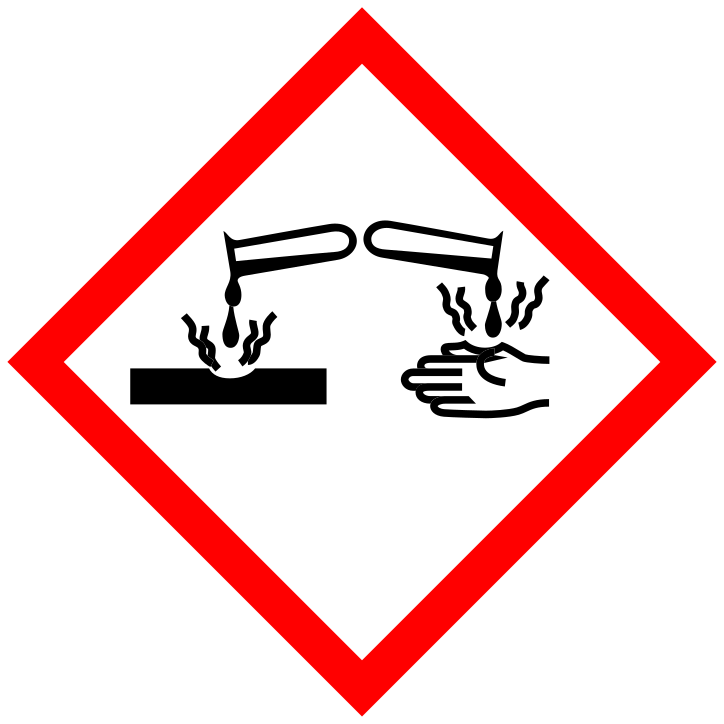 GHS05Corrosion
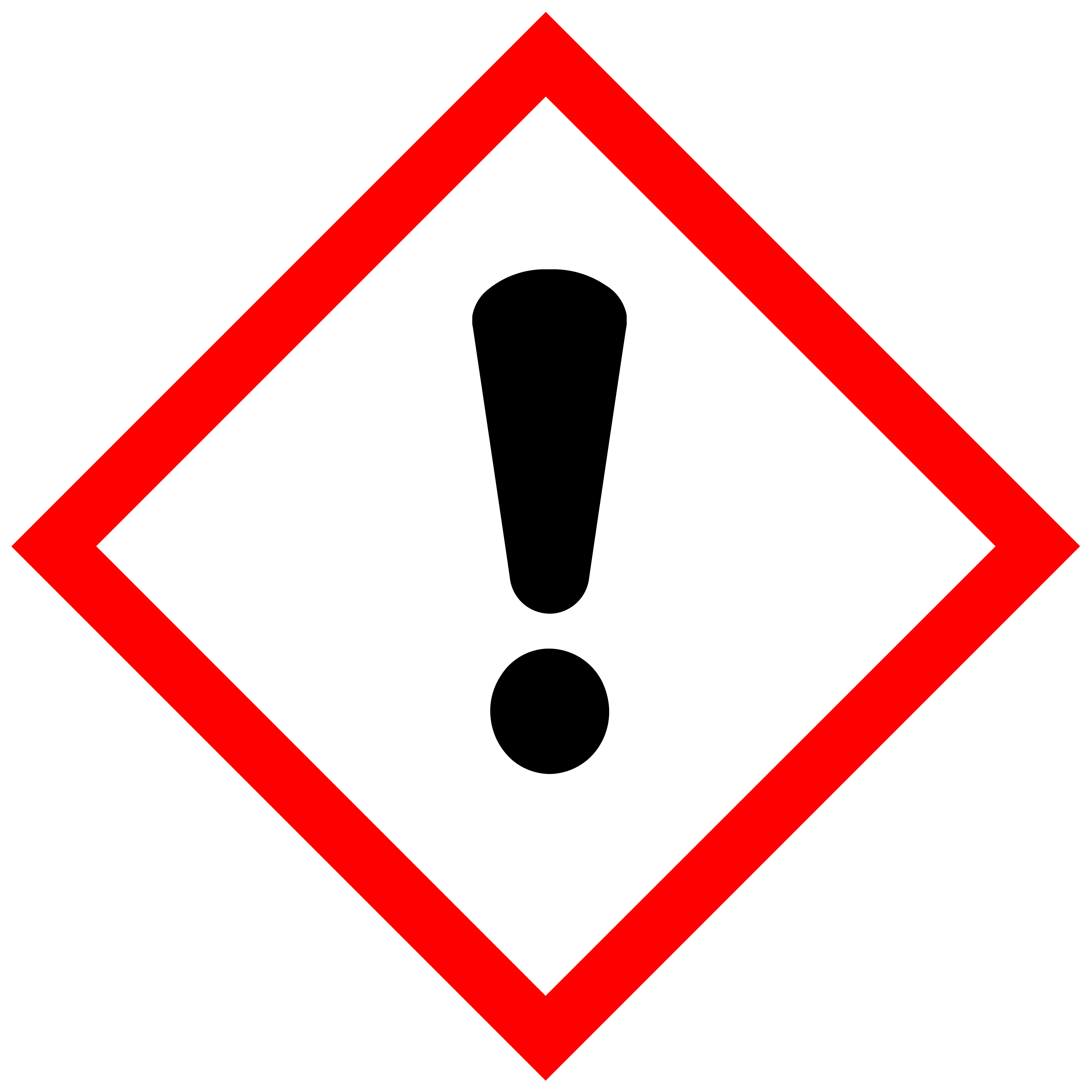 GHS07Exclamation Mark
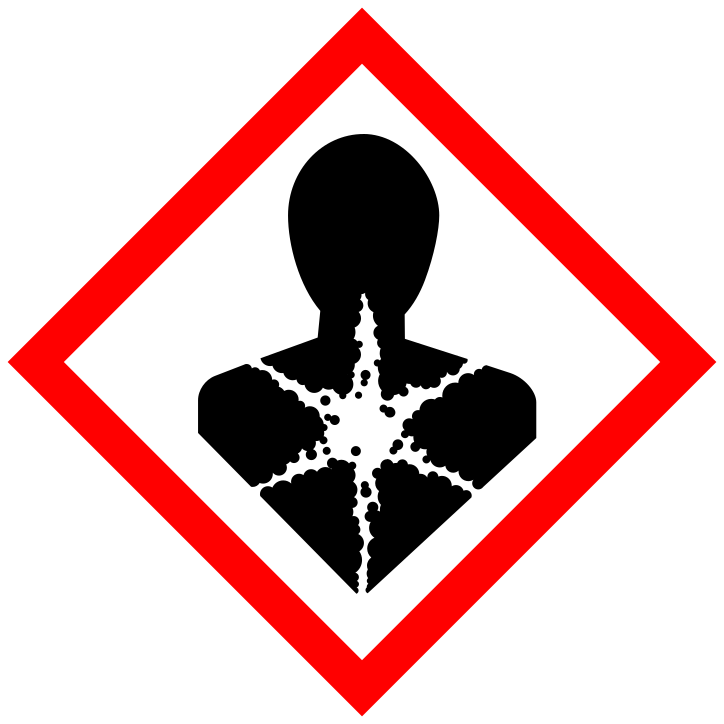 GHS08Health Hazard
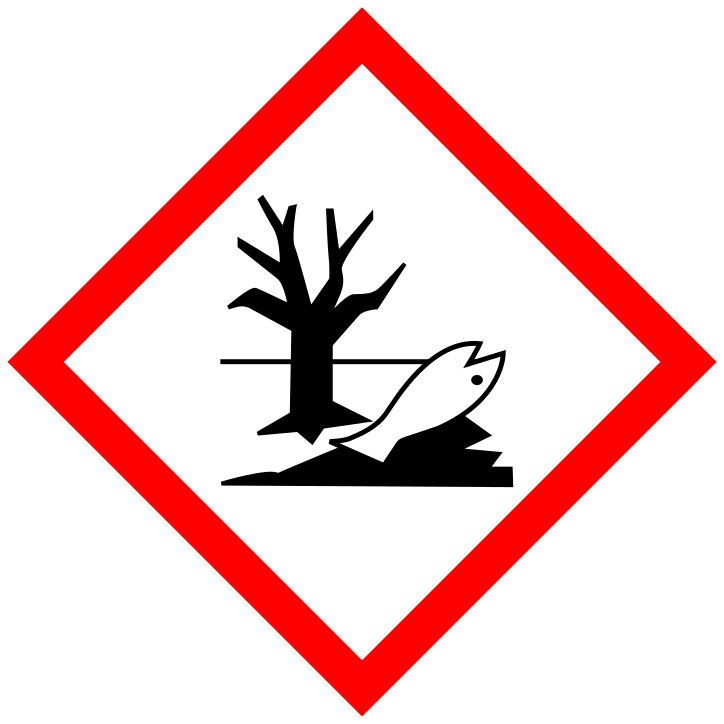 GHS09Environment
What an OSHA shipped-container label contains
OSHA's Hazard Communication Standard calls for a product identifier, supplier contact information, signal word, hazard statements, pictograms, and precautionary statements as assigned by the classification and applicable provisions. The words and symbols work together; a sheet of pictograms alone is not a complete chemical label.
- Product identifier: connects the container to its safety data sheet.
- Supplier information: identifies the manufacturer, importer, or responsible party.
- Signal word: “Danger” or “Warning” where assigned. If “Danger” applies, “Warning” is not also used.
- Hazard statements: describe the classified hazards.
- Pictograms: visually communicate the assigned hazard types.
- Precautionary statements: communicate prevention, response, storage, and disposal precautions.
Precedence rules prevent redundant messages
OSHA Appendix C limits the use of the exclamation mark when another pictogram carries a specified hazard message. The skull and crossbones takes precedence for acute toxicity. The corrosion pictogram suppresses the exclamation mark for skin or eye irritation. The health-hazard pictogram for respiratory sensitization suppresses it for skin sensitization and skin or eye irritation. These are endpoint-specific rules, not a general instruction to delete every other pictogram.
UN GHS and national rules are different layers
UN GHS Revision 11 was published in 2025. A new UN edition does not automatically change every jurisdiction's law. OSHA's 2024 update aligns primarily with GHS Revision 7. The environmental pictogram is not required by OSHA because environmental hazards are outside its jurisdiction; other implementations have their own requirements.
OSHA announced a four-month extension to its updated standard's compliance dates in January 2026, including moving the initial substance deadline to 19 May 2026. Check the extension notice and the duties that apply to your product and role.
Keep other labeling systems separate
Transport labels, workplace chemical labels, and NFPA 704 placards have different purposes and rules. Do not use a visual resemblance as proof of interchangeability. The NFPA guide explains why GHS category numbers must not be copied into a fire diamond.
Small containers, workplace containers, and particular product types can have specific provisions or exceptions. Consult the applicable rule instead of shrinking a standard supplier label until it becomes unreadable.
Sources and scope
- UN GHS Revision 11 (2025)
- OSHA 1910.1200 Appendix C: allocation of label elements
- OSHA: Hazard Communication Standard rulemaking
- OSHA: 2026 compliance-date extension notice
Public sources checked on . This guide explains the systems and identifies jurisdiction-specific examples. For an installation or label, use the applicable standard, adopted rules, and product or site information.
Suggest a correction with a supporting source